01Strength & Power Training
Physical Capacity
Building the muscular foundation required to support the body and generate force rapidly.
We target the lower limbs — quadriceps, glutes, ankle plantar and dorsiflexors — plus the core. Crucially it includes power training (moving a resistance quickly), because catching yourself during a fall depends on rapid force production, not just slow strength.
In a session: Sit-to-stands, step-ups, banded pulls, loaded carries and fast-tempo lifts scaled to your ability.
02Perturbation & Reactive Training
Reflexive Recovery
Training the automatic, subconscious neuromuscular responses to an unexpected loss of balance.
We shift from voluntary movement to involuntary reflexes using controlled slips, trips, nudges and reactive stepping — cutting the 'time to react' when a fall actually begins.
In a session: Safe, supported nudges, reactive step drills and recovery-step practice against a stable surface.
03Cognitive-Motor Dual-Tasking
Balance Under Distraction
Training the brain to divide attention between a physical movement and a mental task.
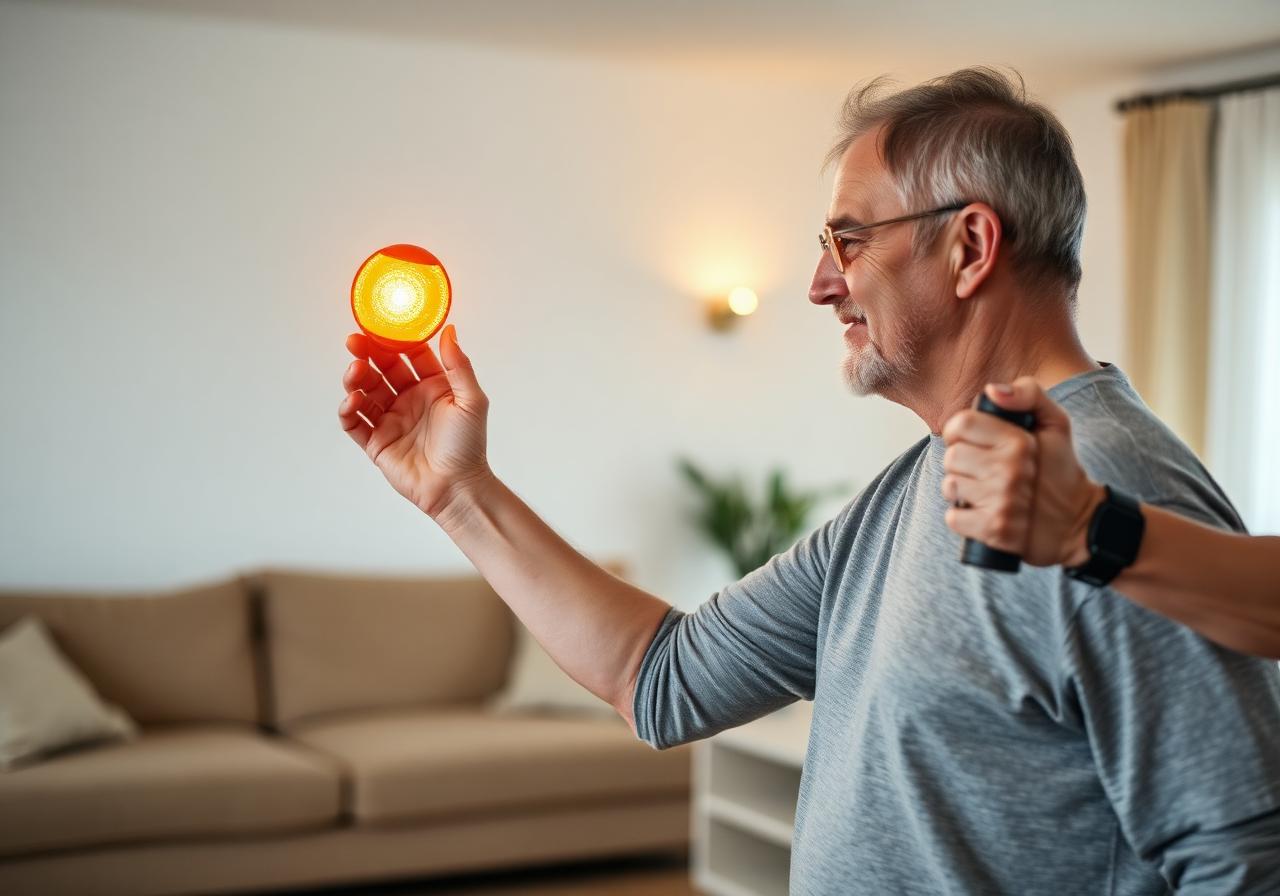
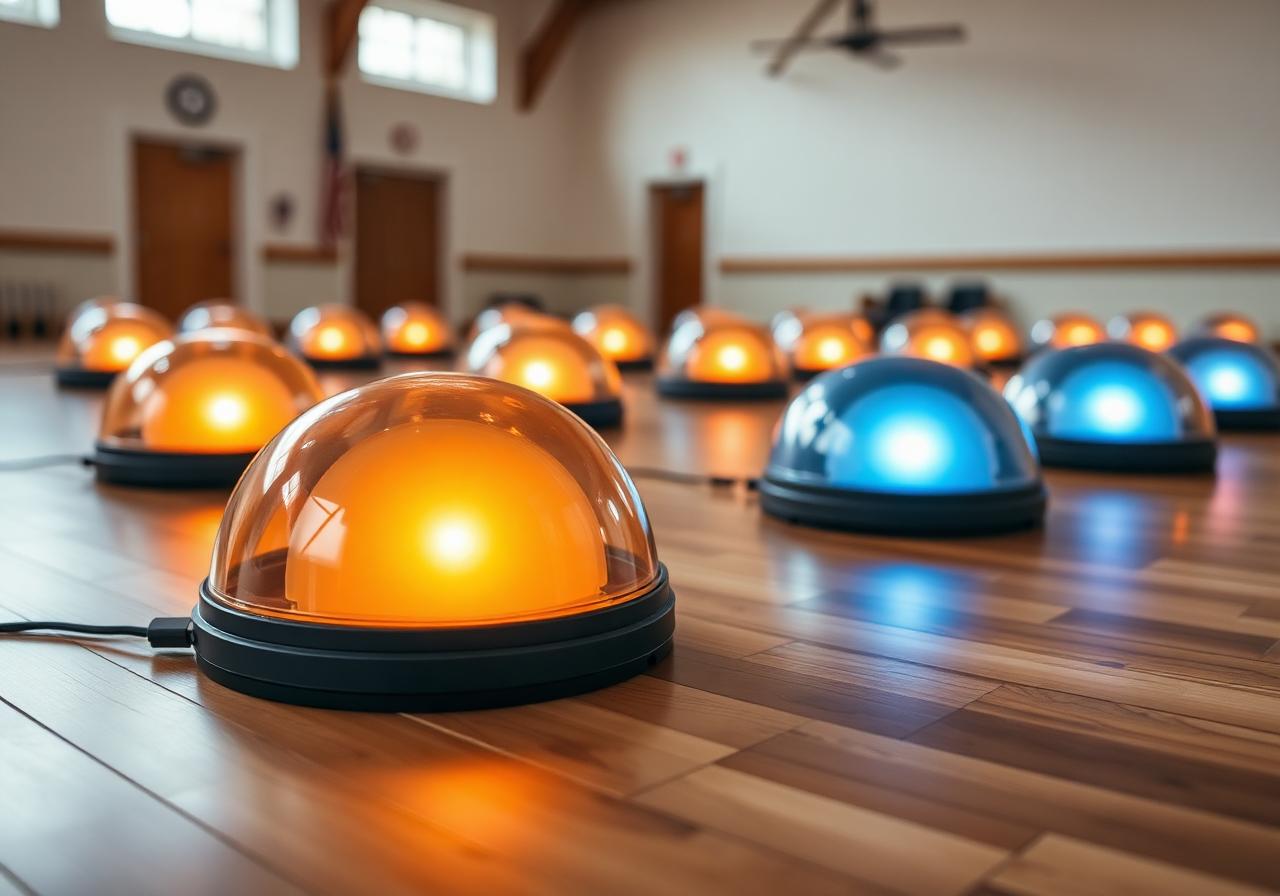
Most real-world falls happen when someone is distracted — talking, looking for keys, reading a sign. We pair balance and walking drills with cognitive challenges so balance stays stable even when the brain is busy.
In a session: Walking while counting backwards, colour and number call-outs, memory sequences during balance holds.
04Vestibular & Proprioceptive Training
Sensory Integration & Spatial Awareness
Optimising the three systems the body uses to stay upright: visual, vestibular (inner ear) and proprioceptive (joints and feet).
Standing with eyes closed, turning the head while walking, standing on foam pads — training the nervous system to trust and accurately interpret the remaining sensory cues.
In a session: Head-turn walking, narrowed stance holds, foam-pad balance and eyes-closed progressions.